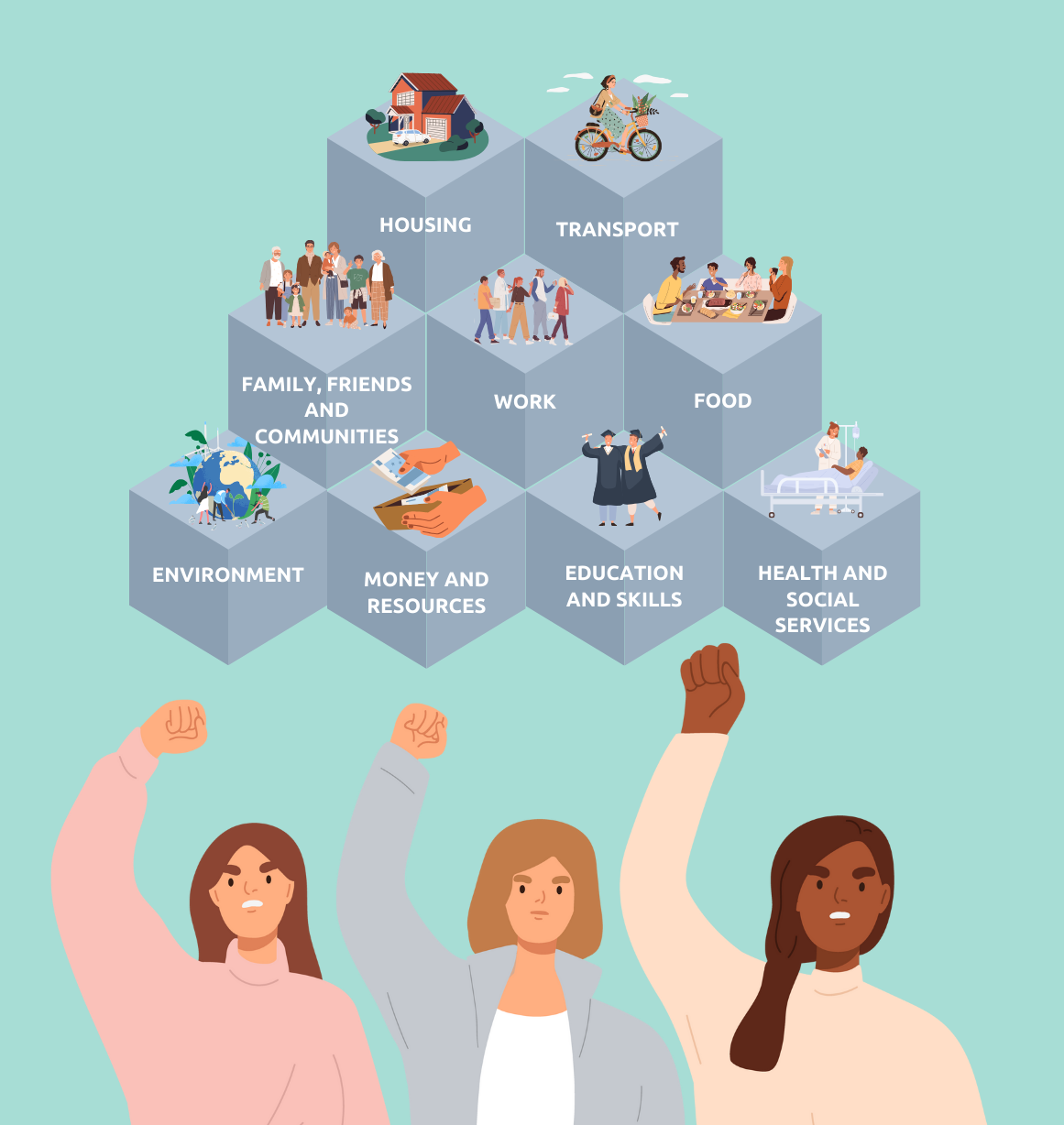
This spotlight feature blog explores how gender inequity shapes women’s health and contributes to health inequalities. It highlights the importance of addressing the social, economic and structural factors that influence health, while showcasing Public Health Wales’ work to support the Welsh Government’s Women’s Health Plan and drive action towards a fairer, healthier Wales.
This International Health Insights report explores global evidence on dementia prevention and the importance of supporting brain health across the life course.
The report reviews international best practice and highlights successful approaches from countries including Finland, Japan, South Korea, Uruguay, and the United Kingdom.
Key messages:
Dementia is not an inevitable part of ageing. Addressing modifiable risk factors across the life course could prevent up to 45% of cases. Effective prevention requires integrated action at three levels:
1. Single component behavioural change interventions remain essential foundations, targeting individual risk factors such as physical inactivity, smoking, social isolation, alcohol misuse, and untreated hearing or vision loss. component behavioural change interventions
2. Multi component interventions that target multiple, clustered risk factors represent the most promising strategy.
3. Structural population-level measures such as fiscal policies, legislation, marketing restrictions, environmental adaptations are critical to complement lifestyle-based approaches.
The Welsh Health Equity Solutions Platform (WHESP) has published a new Spotlight Feature Blog exploring how the Health Impact Assessment (Wales) Regulations is set to transform strategic decision-making and strengthen health equity across Wales.
Authors: Zuwaira Hashim, Lauren Couzens (née Ellis)+ 2 more
This report explores how different components of urgent care services can help reduce pressure on emergency departments and support patient independence. Drawing on the latest research through a systematic rapid review and international insights, it highlights best practices from across the UK and globally to inform urgent care service design in Wales. The review covers a range of urgent care service components, including: • Task shifting strategies to optimise workforce capacity and efficiency • Improved access to diagnostic services, such as radiology • Smart tools like digital triage and decision-support systems for staff • Expansion of urgent care/treatment centres for timely, appropriate care • Virtual urgent care, including phone and video consultations for urgent advice The findings suggest that well-designed urgent care services can deliver safer, faster, and more effective care. While further research is needed, the evidence highlights a promising opportunity to ease pressure on hospitals and ensure patients receive the right care, in the right place, at the right time.
About the review: This work is a collaboration between the Evidence Service (Research, Data and Digital Directorate) and the International Health Insights team (Policy and International Health Directorate, WHO Collaborating Centre on Investment for Health and Wellbeing) within Public Health Wales.
Authors: Anamica Patel, Keira Charteris+ 8 more
, Kate Shiells, Laura Johnson, Helen Morgan, Hannah Shaw, Daniela Stewart, Zuwaira Hashim, Kirsty Little, Mariana Dyakova
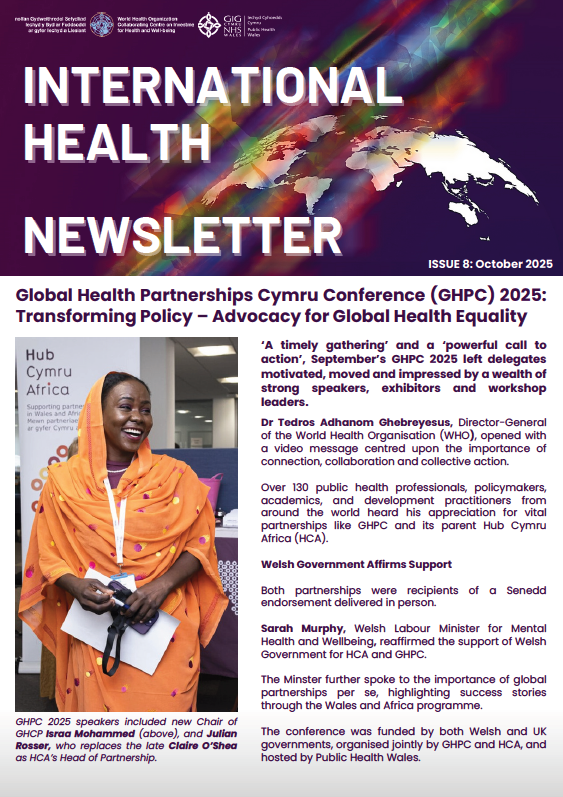
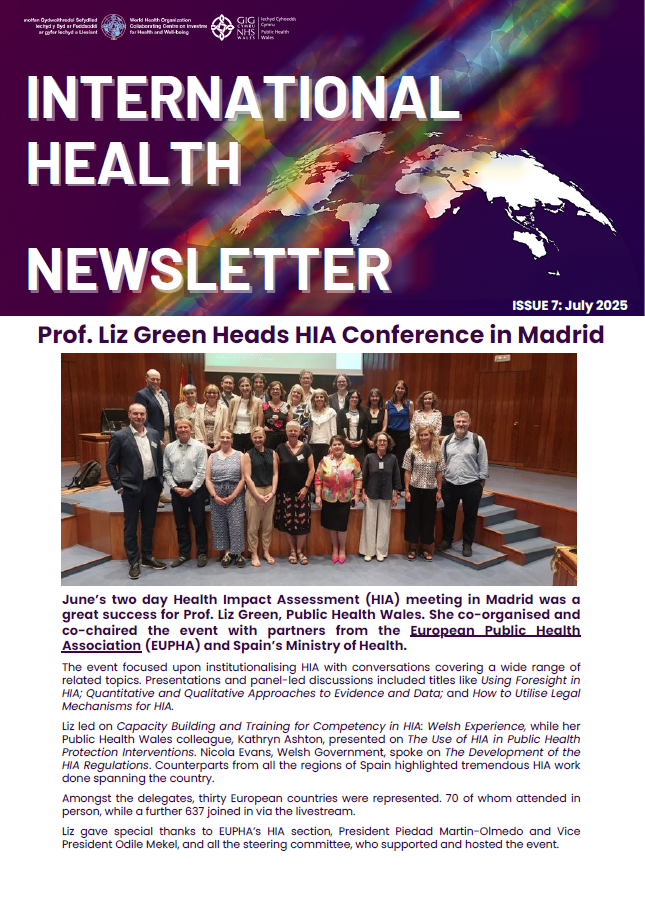
The International Health Coordination Centre’s (IHCC) International Health Newsletter promotes and shares international news, events and initiatives with partners across Wales and beyond.
The newsletter was piloted in May 2023, thereon issued quarterly.
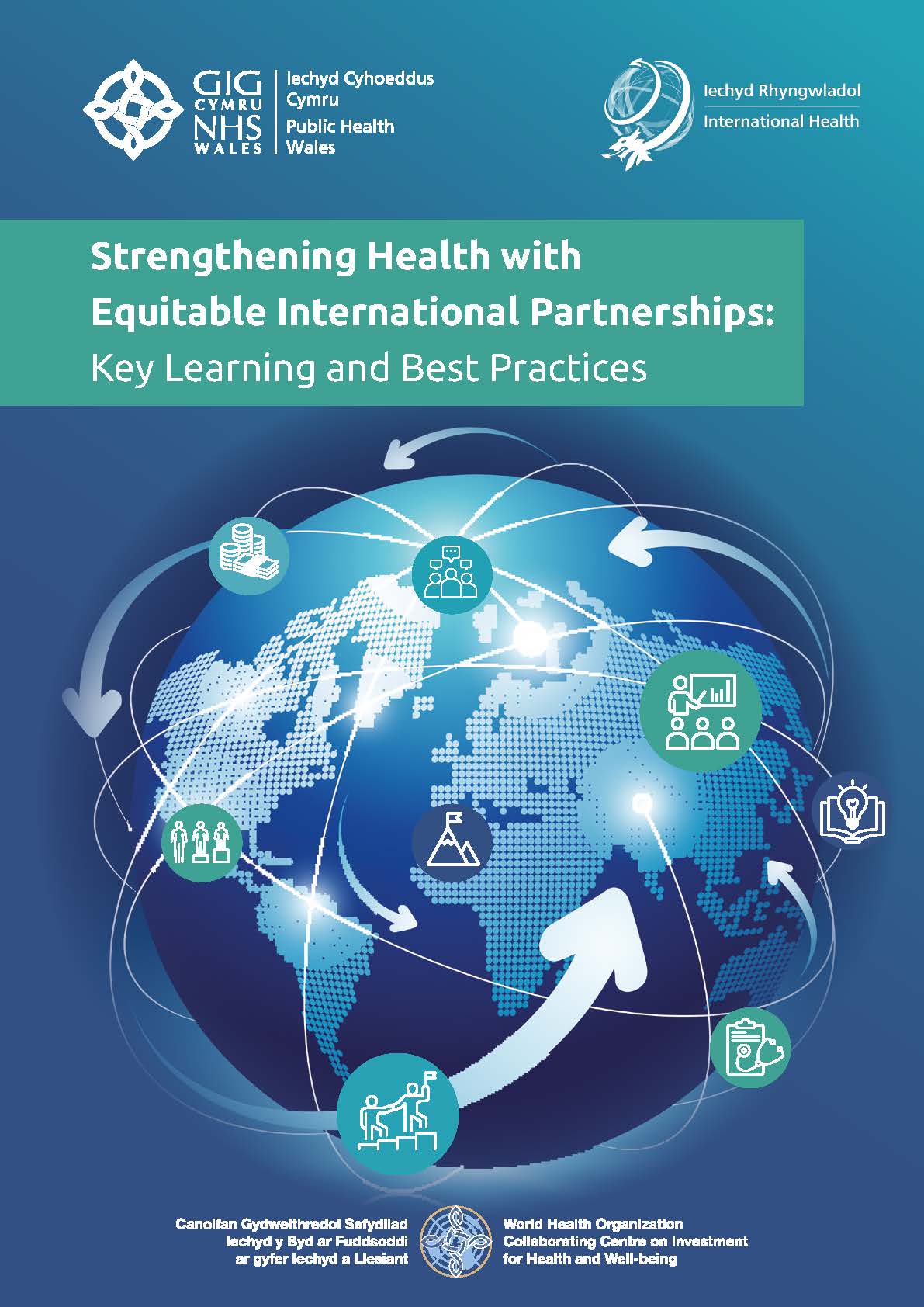
Wales has an enabling legislative and policy context for international health partnerships, illustrated by the Well-being of Future Generations Act goal of creating a ‘globally responsible Wales’.
This discussion paper explored how Welsh and international communities’ benefit from collaborative partnerships through a scoping review. The objectives were to identify current knowledge, evaluate advantages, and determine best practice.
The International Health Coordination Centre’s (IHCC) International Health Newsletter promotes and shares international news, events and initiatives with partners across Wales and beyond.
The newsletter was piloted in May 2023, thereon issued quarterly.
View the latest issue here.
Authors: Laura Holt, Jo Harrington+ 4 more
, Daniela Stewart, Zuwaira Hashim, Dr Stanley Upkai, Malek Mhd Al Dali
The International Horizon Scanning and Learning reports were initiated as part of the COVID-19 public health response, to support dynamic response and recovery measures and planning in Wales. In spring 2022, the scope of the reports was expanded to cover priority public health topics, including in the areas of health improvement and promotion, health protection, and health care public health. In focus: Fiscal Levers to Address Obesity.
Authors: Keira Charteris, Ilona Johnson+ 8 more
, Mariana Dyakova, Zuwaira Hashim, Morgan Savoury, Anna Howells, Josh Levett, Leonor Gonzalez de Mendoza Cremades, Sumina Azam, Emily Finney
The International Horizon Scanning and Learning reports were initiated as part of the COVID-19 public health response, to support dynamic response and recovery measures and planning in Wales. In spring 2022, the scope of the reports was expanded to cover priority public health topics, including in the areas of health improvement and promotion, health protection, and health care public health. In focus: The Commercial Determinants of Health: Children and Young People
This summary calendar, the fourth to be published, presents a short and interactive overview of the five International Horizon Scanning Reports from 2023-2024, with themes including:
• Universal primary free school meals • Mental health and well-being of refugees and asylum-seekers • Five essential conditions for health equity • Embedding prevention in primary and community care • Impact of poverty on babies, children and young people
The Welsh Health Equity Status Report initiative (WHESRi) has published a spotlight feature blog to commemorate International Women’s Day. This spotlight feature focuses on gender equity in Wales, emphasizing the social and economic determinants impacting women’s well-being. It highlights persistent gender inequalities across various spheres, including health, employment, and violence, exacerbated by factors like race, disability, and economic status. To address Addressing these challenges requires gender-responsive policies, gender-inclusive budgeting, and an Economy of Well-being framework to promote positive outcomes and empower women towards a healthier and more prosperous future in Wales.
The International Horizon Scanning and Learning reports were initiated as part of the COVID-19 public health response, to support dynamic response and recovery measures and planning in Wales. In spring 2022, the scope of the reports was expanded to cover priority public health topics, including in the areas of health improvement and promotion, health protection, and health care public health. In focus: Impact of Poverty on Babies, Children and Young People
Authors: Leah Wargent, Lauren Couzens (née Ellis)+ 6 more
The International Horizon Scanning and Learning reports were initiated as part of the COVID-19 public health response, to support dynamic response and recovery measures and planning in Wales. In spring 2022, the scope of the reports was expanded to cover priority public health topics, including in the areas of health improvement and promotion, health protection, and health care public health. In focus: Embedding Prevention in Primary and Community Care
To provide the best experiences, we use technologies like cookies to store and/or access device information. Consenting to these technologies will allow us to process data such as browsing behavior or unique IDs on this site. Not consenting or withdrawing consent, may adversely affect certain features and functions.
Functional Always active
The technical storage or access is strictly necessary for the legitimate purpose of enabling the use of a specific service explicitly requested by the subscriber or user, or for the sole purpose of carrying out the transmission of a communication over an electronic communications network.
Preferences
The technical storage or access is necessary for the legitimate purpose of storing preferences that are not requested by the subscriber or user.
Statistics
The technical storage or access that is used exclusively for statistical purposes.The technical storage or access that is used exclusively for anonymous statistical purposes. Without a subpoena, voluntary compliance on the part of your Internet Service Provider, or additional records from a third party, information stored or retrieved for this purpose alone cannot usually be used to identify you.
Marketing
The technical storage or access is required to create user profiles to send advertising, or to track the user on a website or across several websites for similar marketing purposes.